All Categories
Featured

Excitement About Your First Step to Debt Counseling and What to Ask
Table of Contents
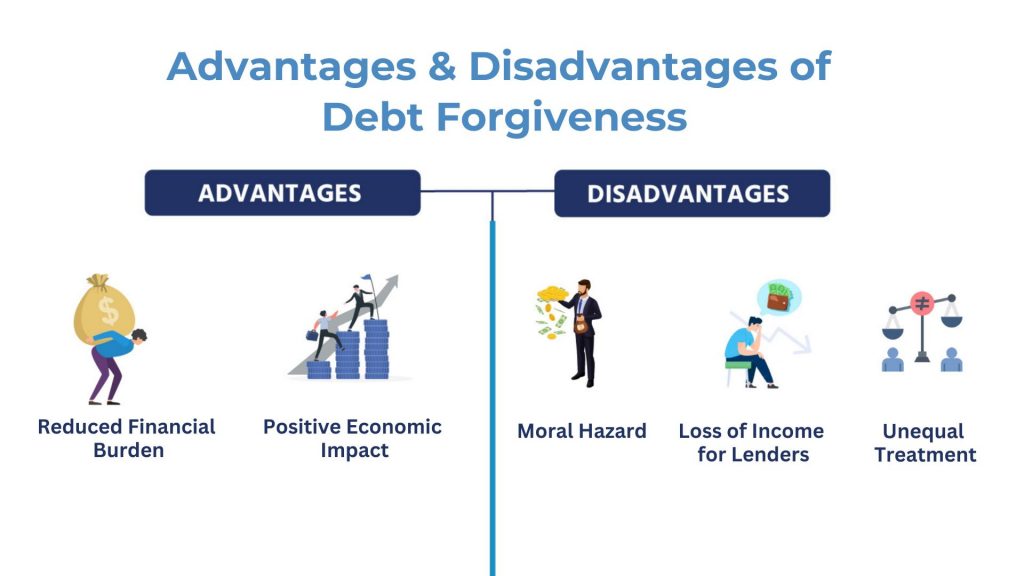
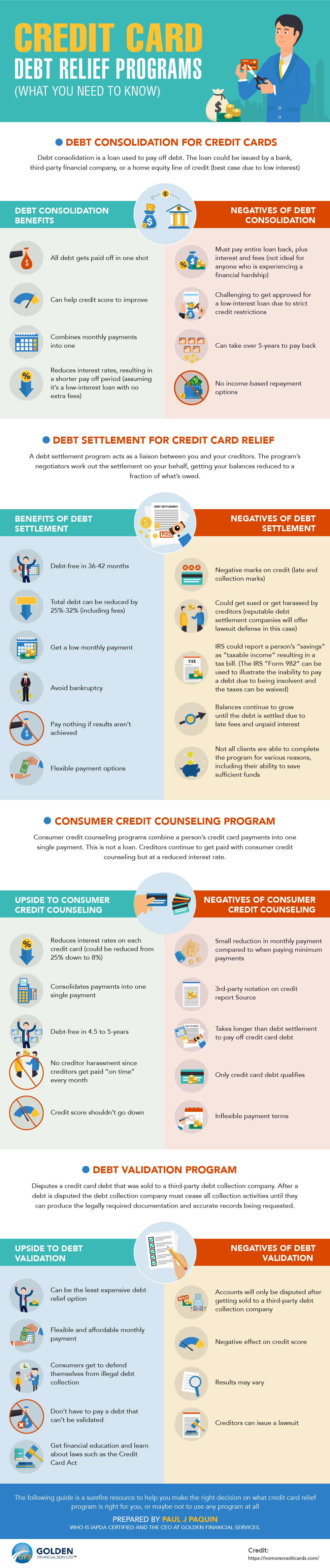
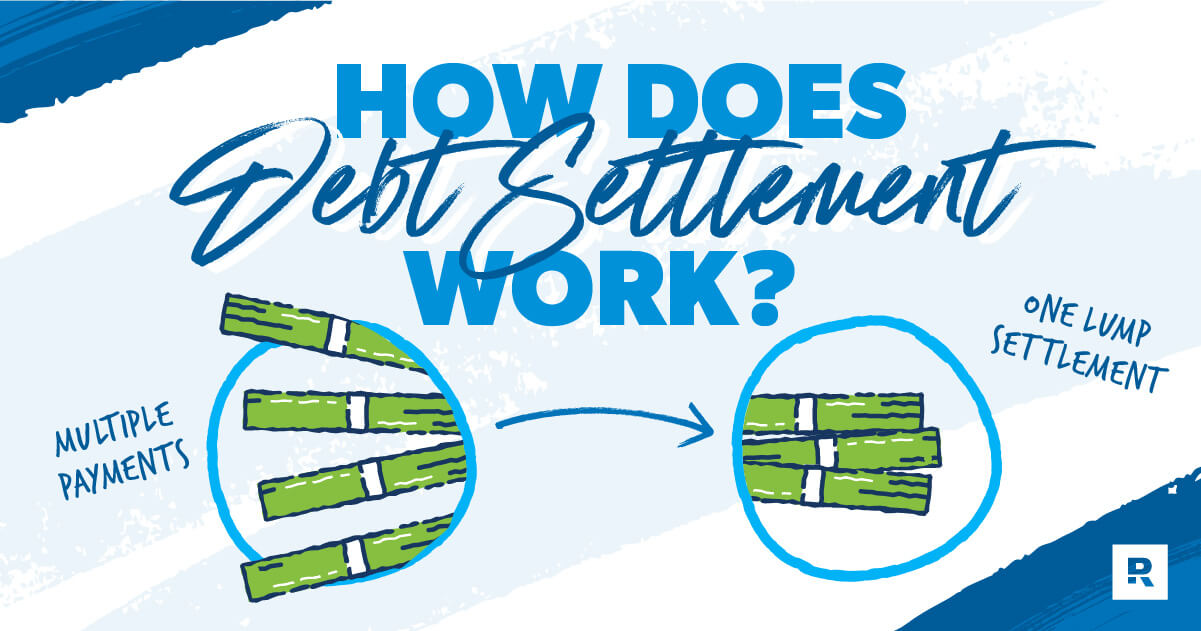
That releases up cash in the short term, and you might have 3 to 4 years to save towards the negotiation amount. Extremely dangerous to credit history ratings, primarily due to missed out on settlements and an adverse "cleared up" mark that might remain on your debt record for as much as seven yearsMay be just alternative if other alternatives (debt consolidation, balance transfer credit score cards, financial debt forgiveness) aren't possibleTypically requires a fee to the 3rd party, which can balance out some or all of the cost savings from financial obligation settlementMay assist you prevent insolvency if you have actually missed a number of paymentsNot all creditors collaborate with financial obligation negotiation business Financial obligation forgiveness might be right for you if you are experiencing a financial hardship that makes it nearly difficult to pay for your financial obligation balances.
With a DMP, you make one month-to-month payment to the credit counseling company. Those funds are after that distributed to lenders of your unsecured financial obligations, such as charge card and installment fundings. The firm works with your lenders to decrease rate of interest or waive fees, yet some financial institutions might refuse such concessions.
It can assist you pay down financial debt if you're able to secure a funding rate that's reduced than the average price of the accounts you're consolidating. You need to avoid from racking up financial obligation on those newly gotten rid of accounts or your debt could grow even greater.
That provides you lots of time to get rid of or considerably minimize your equilibrium while making interest-free payments.
The 30-Second Trick For Practical Advice to Restore Your Finances
You might require it if your creditor or a collection company ever before tries to accumulate on the debt in the future. When a loan provider forgives $600 or more, they are called for to send you Form 1099-C.
Debt mercy or negotiation often hurts your debt. Anytime you settle a debt for less than you owe, it might show up as "cleared up" on your credit score report and influence your credit history for seven years from the date of negotiation. Your credit can likewise go down considerably in the months bring about the mercy if you fall back on repayments.
Everything to Expect In the Bankruptcy Process for Beginners
Tax financial obligation concession programs Tax financial obligation occurs when the quantity of taxes you owe surpasses what you have paid. This circumstance often arises from underreporting income, not filing returns promptly, or inconsistencies discovered throughout an IRS audit. The consequences of gathering tax obligation financial obligation are significant and can include tax liens, which give the IRS a lawful case to your residential or commercial property as protection for the financial obligation.
Higher rate of interest on offered credit history. Earnings and Bank Accounts internal revenue service can impose (confiscate) wages and checking account to please the financial obligation. Reduced income and interruption of essential monetary processes. Home Seizure In severe instances, the IRS can confiscate and market home to cover the debt. Loss of beneficial properties and potential variation.
Anxiety, anxiety, and various other psychological wellness issues. Social Stigma Encountering lawsuit from the IRS can bring social preconception. Damage to online reputation and connections. Employment Opportunities A bad credit report as a result of exhaust debt can restrict job opportunity. Problem finding or maintaining a task. Federal government Benefits Tax financial debt may affect eligibility for federal government benefits, such as Social Security and Medicaid.
Staying Away From New Debt Traps After Your Fresh Start Can Be Fun For Everyone
The OIC considers numerous variables, consisting of the taxpayer's earnings, expenditures, possession equity, and capability to pay. Successfully discussing an OIC can be complex, requiring a comprehensive understanding of the internal revenue service's standards and a solid debate for why your offer straightens with your capability to pay. It is necessary to keep in mind that not all applications are accepted, and the procedure calls for in-depth economic disclosure.
The IRS evaluates your total financial circumstance, including your earnings, costs, asset equity, and capacity to pay. You have to likewise be existing with all declaring and payment demands and not remain in an open personal bankruptcy proceeding. The internal revenue service also considers your compliance background, examining whether you have a document of prompt filing and paying tax obligations in previous years.
7 Simple Techniques For Necessary Documentation for Best Budgeting Apps & Debt Payoff Tools
The application process for a Deal in Concession entails several comprehensive steps. You must finish and send Internal revenue service Kind 656, the Offer in Concession application, and Type 433-A (OIC), a collection details statement for people. These forms require thorough financial details, consisting of information about your income, debts, expenses, and possessions.
Back taxes, which are unsettled taxes from previous years, can substantially raise your total internal revenue service financial obligation otherwise dealt with immediately. This debt can accumulate interest and late repayment penalties, making the original quantity owed much larger gradually. Failure to pay back taxes can result in the IRS taking enforcement actions, such as providing a tax obligation lien or levy versus your building.
It is essential to deal with back tax obligations as quickly as possible, either by paying the sum total owed or by preparing a settlement strategy with the IRS. By taking positive actions, you can prevent the buildup of extra passion and charges, and protect against a lot more hostile collection actions by the internal revenue service.
One usual factor is the belief that the taxpayer can pay the full quantity either as a round figure or with a layaway plan. The IRS also thinks about the taxpayer's income, expenses, possession equity, and future earning potential. If these aspects suggest that the taxpayer can afford to pay greater than the offered quantity, the IRS is most likely to reject the deal.
Some Known Details About The Pros and Disadvantages When Considering Bankruptcy
Dealing with IRS financial debt can be intricate and daunting. Tax obligation specialists, such as Certified public accountants, tax obligation lawyers, or enlisted agents, can offer invaluable aid.

Table of Contents
Latest Posts

Not known Details About What Sets Quality Counselors Differ from the Industry

7 Easy Facts About Developing Post-Best Repayment and Forgiveness Programs for Medical Professionals Budget for Long-Term Security Described
Some Known Facts About What to Expect In the Sudden Inheritance or Lump-Sum Payouts: Avoiding New Debt When a Windfall Arrives Journey.
More
Latest Posts
Not known Details About What Sets Quality Counselors Differ from the Industry