All Categories
Featured

Complimentary Informational Financial Literacy Resources for Consumers Fundamentals Explained
Table of Contents
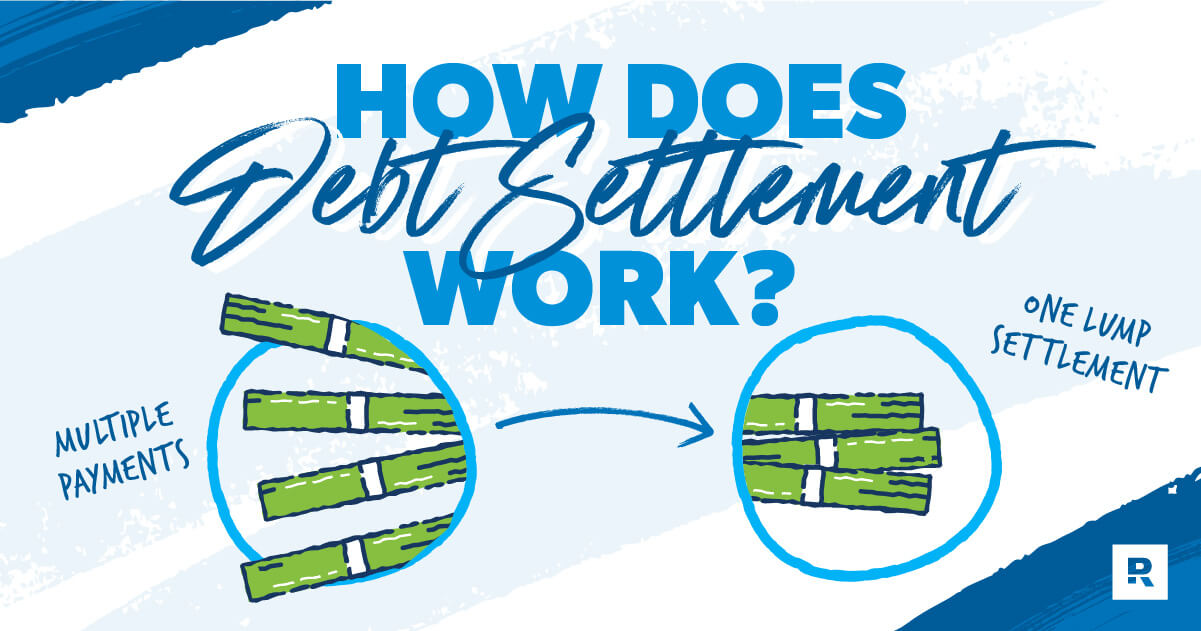
That liberates cash in the short term, and you may have 3 to 4 years to conserve toward the negotiation amount. Really dangerous to credit history, mostly as a result of missed out on payments and a negative "resolved" mark that might stay on your credit report for approximately 7 yearsMay be only alternative if various other options (debt combination, equilibrium transfer charge card, financial obligation forgiveness) aren't possibleTypically requires a fee to the 3rd party, which could offset some or all of the financial savings from debt settlementMay aid you prevent personal bankruptcy if you've missed several paymentsNot all creditors collaborate with debt settlement business Financial obligation mercy may be appropriate for you if you are experiencing an economic hardship that makes it virtually difficult to pay for your financial debt equilibriums.
With a DMP, you make one monthly payment to the credit report counseling company. Those funds are after that dispersed to financial institutions of your unsafe financial obligations, such as credit scores cards and installment loans. The company deals with your financial institutions to decrease rates of interest or waive charges, yet some creditors may decline such concessions.
It can assist you pay down debt if you're able to secure a car loan rate that's reduced than the average price of the accounts you're combining. You have to abstain from racking up financial debt on those recently removed accounts or your financial debt could expand also greater.
These cards typically supply a 0% interest introductory period of as much as 21 months. That gives you lots of time to get rid of or considerably lower your equilibrium while making interest-free payments. For some people facing insurmountable debt, insolvency may be the only means to quit collection proceedings and legally settle their financial debts.
Get This Report on Pricing Honesty to Look For
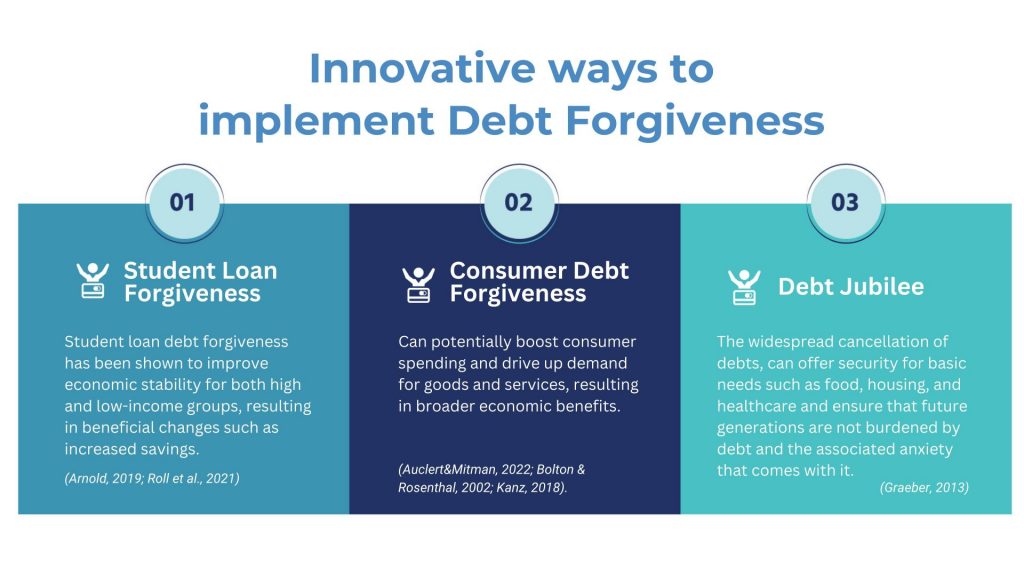
You may need it if your creditor or a collection agency ever attempts to accumulate on the financial obligation in the future. The letter can verify you do not owe what the debt collection agency's records show. Yes, in many cases, the internal revenue service considers forgiven financial obligation as taxed revenue. When a loan provider forgives $600 or more, they are needed to send you Form 1099-C.
Financial debt mercy or settlement usually hurts your credit score. Anytime you resolve a financial debt for much less than you owe, it might show up as "cleared up" on your credit rating report and impact your credit history rating for seven years from the date of settlement. Your credit can also drop substantially in the months causing the mercy if you fall behind on repayments.
All About Regulatory Considerations in Doctor Loan Consolidation Guide: Best Strategies to Cut Payments Fast
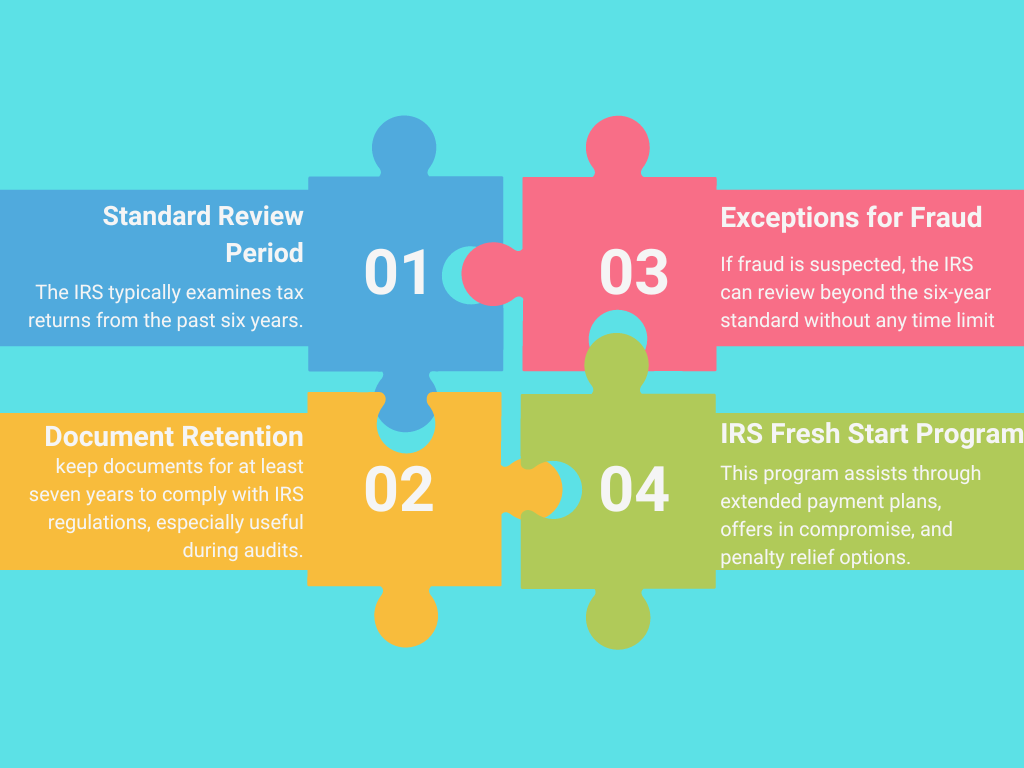
This circumstance frequently results from underreporting earnings, not filing returns on time, or disparities found during an IRS audit. The consequences of accumulating tax financial obligation are severe and can consist of tax obligation liens, which provide the Internal revenue service a lawful insurance claim to your home as safety for the financial obligation.
Earnings and Financial institution Accounts IRS can impose (seize) incomes and financial institution accounts to satisfy the financial obligation. Property Seizure In extreme cases, the Internal revenue service can confiscate and offer residential property to cover the debt.
Clinical depression, anxiousness, and various other psychological health and wellness problems. Social Preconception Encountering lawsuit from the internal revenue service can lug social stigma. Damage to track record and connections. Work Opportunities A bad credit history due to strain debt can restrict job opportunity. Trouble searching for or maintaining a job. Government Advantages Tax obligation financial debt might affect eligibility for government advantages, such as Social Security and Medicaid.
Documents to Gather for Bankruptcy Counseling Things To Know Before You Buy
The OIC thinks about a number of variables, consisting of the taxpayer's income, expenses, property equity, and capacity to pay. Successfully discussing an OIC can be intricate, requiring a detailed understanding of the internal revenue service's guidelines and a strong argument for why your deal straightens with your capability to pay. It is essential to keep in mind that not all applications are approved, and the process requires detailed monetary disclosure.
The IRS evaluates your total financial scenario, including your income, expenses, possession equity, and capability to pay. You should also be current with all declaring and repayment demands and not be in an open bankruptcy proceeding. The internal revenue service likewise considers your conformity history, assessing whether you have a record of timely declaring and paying tax obligations in previous years.
How Waiting Your Debt Problems Can Cost You - Truths
The application procedure for an Offer in Concession includes several thorough steps. Initially, you should complete and send internal revenue service Type 656, the Offer in Compromise application, and Form 433-A (OIC), a collection information statement for individuals. These types require extensive monetary info, including information about your earnings, debts, costs, and assets.
Back taxes, which are overdue taxes from previous years, can substantially boost your complete IRS financial debt otherwise resolved immediately. This debt can build up rate of interest and late repayment fines, making the initial amount owed much larger with time. Failing to pay back taxes can lead to the internal revenue service taking enforcement activities, such as issuing a tax obligation lien or levy versus your residential property.
It is very important to resolve back tax obligations as quickly as possible, either by paying the sum total owed or by organizing a layaway plan with the internal revenue service. By taking aggressive actions, you can prevent the accumulation of added rate of interest and charges, and prevent a lot more aggressive collection actions by the IRS.
One common factor is the belief that the taxpayer can pay the full quantity either as a round figure or via a layaway plan. The internal revenue service additionally considers the taxpayer's income, expenditures, property equity, and future earning potential. If these factors indicate that the taxpayer can pay for to pay greater than the offered quantity, the IRS is likely to turn down the deal.
The Only Guide to Bankruptcy Basics Before Filing
It is critical to provide exact and complete info in your application and to speak with a tax obligation professional to boost the opportunities of acceptance. Taking care of IRS financial obligation can be complicated and difficult. Tax professionals, such as CPAs, tax attorneys, or signed up agents, can supply very useful assistance. They have the knowledge to navigate the ins and outs of tax obligation legislation and internal revenue service procedures.

Table of Contents
Latest Posts

Not known Details About What Sets Quality Counselors Differ from the Industry

7 Easy Facts About Developing Post-Best Repayment and Forgiveness Programs for Medical Professionals Budget for Long-Term Security Described
Some Known Facts About What to Expect In the Sudden Inheritance or Lump-Sum Payouts: Avoiding New Debt When a Windfall Arrives Journey.
More
Latest Posts
Not known Details About What Sets Quality Counselors Differ from the Industry